
The Honolulu real estate market offers unique opportunities for homeowners looking to capitalize on their investments. With breathtaking landscapes and high demand for island living, properties in this tropical paradise frequently attract strong buyer interest. However, navigating the process of selling your home in Honolulu requires more than just putting a sign in the yard.
Understanding each phase of the sale helps you maximize your profit and significantly reduces stress along the way. Working with a local real estate expert ensures you have the necessary guidance to handle pricing, marketing, and complex negotiations. Vardit Hacmon Real Estate helps sellers seamlessly navigate every stage of this journey, ensuring a successful and lucrative transaction from listing to closing.
Understanding the Honolulu Real Estate Market Before Selling
Current Market Trends in Honolulu
The local housing market is constantly shifting based on supply and demand factors. When inventory is low and buyer interest is high, sellers typically enjoy quicker sales and higher offers. Seasonal influences also play a role in home sales. For instance, the winter months often bring an influx of buyers seeking a warm escape, while summer brings families looking to relocate before the new school year. Furthermore, buyer preferences in Honolulu neighborhoods continually evolve, with many prioritizing proximity to amenities, ocean views, and outdoor spaces.
Why Timing Matters
Listing your property during favorable market conditions can yield a higher return. Timing the market correctly requires a careful local market analysis, which directly impacts your pricing strategy. A seasoned agent will track these trends closely to pinpoint the ideal window for your listing to hit the market.
Step 1 – Determine Your Home’s Value
Conduct a Comparative Market Analysis (CMA)
Pricing your home correctly begins with a Comparative Market Analysis (CMA). This involves reviewing recently sold properties in your immediate area that share similar characteristics with your home. Evaluating these neighborhood trends provides a realistic baseline for what buyers are currently willing to pay.
Factors That Affect Home Value in Honolulu
Several distinct variables determine a property’s worth in Hawaii. Location and proximity to beaches are often the most significant drivers of value. Additionally, the overall property condition, lot size, and recent upgrades play vital roles. Views and outdoor living spaces, such as lanais and landscaped gardens, are highly sought after and can command a premium price.
Step 2 – Prepare Your Home for Sale
Declutter and Depersonalize
Creating a buyer-friendly environment is essential. Start by removing personal items, excess furniture, and family photographs. This helps make rooms appear larger and brighter, allowing potential buyers to visualize their own lives unfolding in the space.
Complete Necessary Repairs
Addressing minor maintenance issues before listing prevents them from becoming major sticking points during negotiations. Fix leaky faucets, patch holes in the walls, and ensure all appliances function correctly. Improving curb appeal by tidying the landscaping and applying a fresh coat of exterior paint can also make a powerful first impression.
Consider Professional Staging
The benefits of staging in Honolulu’s competitive market are undeniable. Staged homes often sell faster and for a higher price because they highlight a property’s best features. Professional staging helps buyers envision themselves in the home, creating an emotional connection that often leads to strong offers.
Step 3 – Set the Right Listing Price
Avoid Overpricing and Underpricing
Setting the initial asking price is a delicate balancing act. The risks associated with incorrect pricing are significant; overpricing can cause your home to languish on the market, while underpricing leaves money on the table. A property that sits unsold for too long often becomes stigmatized, leading buyers to assume something is wrong with it.
How Local Expertise Helps
Using market data and neighborhood insights is crucial for finding the sweet spot. A knowledgeable local agent employs strategic pricing for maximum exposure, ensuring your home appears in the right search brackets to attract serious, qualified buyers.
Step 4 – Market Your Home Effectively
Professional Photography and Videography
In today’s digital age, the importance of high-quality visuals cannot be overstated. Most buyers begin their search online, making your property’s photos its first showing. Virtual tours and drone photography offer a comprehensive view of the home and its surroundings, which is especially valuable for highlighting ocean views and expansive lots.
Online Marketing Strategies
A robust digital presence gets your property in front of the largest possible audience. This includes syndicating MLS listings to major real estate websites and utilizing targeted social media promotion to reach passive buyers who might be scrolling through their feeds.
Local Marketing Efforts
Traditional methods still hold significant value. Hosting open houses, networking with local agents, and ensuring broad community exposure help generate buzz and bring foot traffic directly to your front door.
Step 5 – Showings and Open Houses
Preparing for Home Showings
When buyers come to view your property, it needs to look its absolute best. Maintaining cleanliness at all times and creating a welcoming atmosphere—perhaps by opening windows to let in the island breeze—makes the home feel inviting and well-cared for.
What Buyers Look for During Tours
During a walkthrough, buyers pay close attention to functional spaces and the flow of the floor plan. Updated features in kitchens and bathrooms are major selling points. Additionally, energy efficiency is increasingly important in Hawaii, so highlighting features like solar panels or energy-efficient appliances can boost buyer interest.
Step 6 – Review and Negotiate Offers
Understanding Different Types of Offers
Sellers frequently encounter various types of offers, each with its own nuances. Cash offers generally close faster and carry less risk. Financed offers require the buyer to secure a mortgage, while contingent offers depend on the buyer selling their current home first.
Key Negotiation Factors
The purchase price is just one component of an offer. Closing timeline, specific contingencies, and repair requests all require careful consideration. A strong negotiator will help you balance these factors to secure terms that align with your goals.
Choosing the Best Offer
Looking beyond price alone is vital. Evaluating buyer qualifications, such as pre-approval letters and proof of funds, helps ensure the transaction will actually make it to the closing table without falling apart at the last minute.
Step 7 – Complete Inspections and Appraisal
Home Inspection Process
Once an offer is accepted, the buyer typically schedules a professional inspection. Inspectors evaluate the home’s structural integrity, electrical systems, plumbing, and roof. Common issues that arise might include termite damage or outdated wiring, which can lead to further negotiations.
Appraisal Requirements
If the buyer is financing the purchase, their lender will require an appraisal to confirm the property’s market value. Handling appraisal gaps—when the home appraises for less than the agreed-upon purchase price—requires strategic negotiation to keep the deal intact.
Step 8 – Navigate Escrow and Closing
Understanding Escrow in Hawaii
The role of escrow companies is to act as a neutral third party, holding funds and ensuring all conditions of the contract are met. They manage the required documentation and coordinate with title companies to ensure a clean transfer of ownership.
Final Steps Before Closing
In the days leading up to closing, you will be busy signing paperwork and completing agreed-upon repairs. The buyer will also conduct a final walkthrough to verify that the property is in the expected condition.
Closing Day Expectations
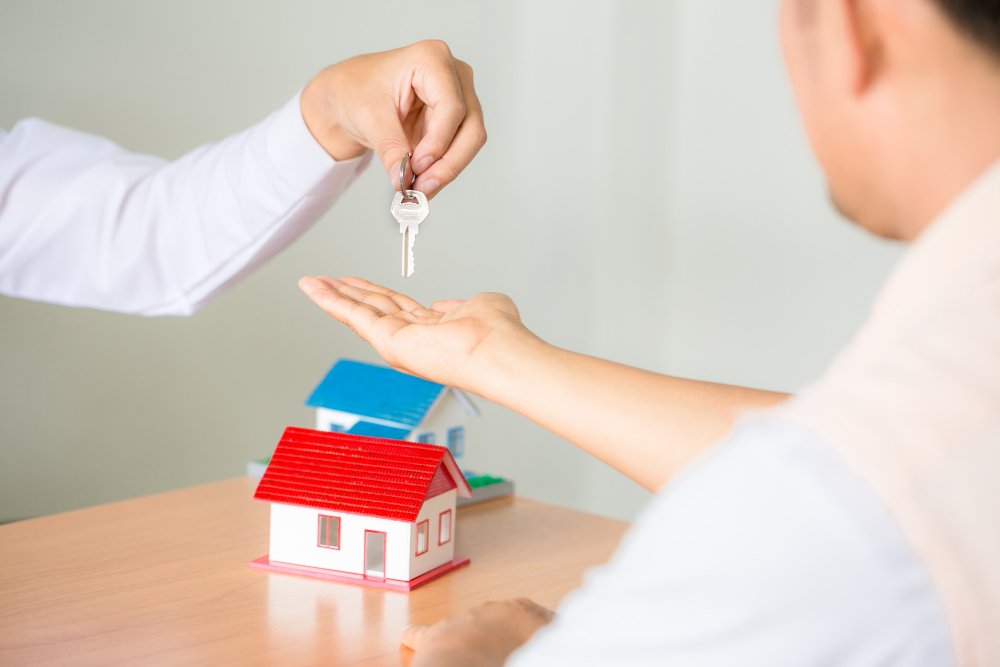
On closing day, the official transfer of ownership occurs. The deed is recorded with the state, the keys are handed over, and you finally receive your sale proceeds.
Common Mistakes to Avoid When Selling Your Home in Honolulu
Navigating a real estate transaction involves many moving parts. Avoid pricing too high initially, as this deters early interest. Neglecting repairs and ignoring curb appeal will turn off potential buyers before they even step inside. Limiting marketing efforts reduces your buyer pool. Finally, choosing an inexperienced agent can result in costly mistakes and unnecessary delays.
Why Work with Vardit Hacmon Real Estate?
Successfully managing the process of selling your home in Honolulu requires an expert touch. Vardit Hacmon Real Estate offers unparalleled local Honolulu market expertise and customized pricing strategies designed to maximize your return. With comprehensive marketing plans and skilled negotiation support, you receive dedicated guidance from listing to closing.
Successfully Navigating Your Honolulu Home Sale
Selling a property in Hawaii is an exciting milestone. By understanding the current market, preparing your property, pricing it accurately, and effectively marketing it to the right audience, you set the stage for a smooth and profitable transaction. Preparation, competitive pricing, and professional guidance make all the difference. For personalized assistance and to get the most out of your investment, consult Vardit Hacmon Real Estate today.
FAQs
Ans: – The timeline varies based on market conditions, property type, and pricing. On average, a properly priced home can go under contract within 30 to 45 days, with an additional 30 to 45 days required for escrow and closing.
Ans: – While Honolulu enjoys a strong year-round market, the winter months are popular for buyers escaping colder climates, and early summer is ideal for families looking to move before the school year begins.
Ans: – Your real estate agent will conduct a Comparative Market Analysis (CMA) to review recent sales of similar properties in your neighborhood, helping you set a competitive and realistic price.
Ans: – Yes, addressing minor repairs and maintenance issues before listing can prevent buyers from requesting credits or walking away during the inspection phase.
Ans: – Sellers typically cover agent commissions, escrow fees, title insurance, and state conveyance taxes. These costs generally amount to around 6% to 8% of the final sale price.
Ans: – Absolutely. Many sellers remain in their homes during the process. Your agent will help coordinate a showing schedule that minimizes disruption to your daily life.
Ans: – A local agent understands neighborhood-specific nuances, current market trends, and Hawaii’s unique real estate laws, ensuring your home is priced correctly and marketed to the right buyers.
Ans: – Vardit Hacmon Real Estate provides expert market analysis, professional marketing, strategic staging advice, and strong negotiation skills to ensure you sell your home quickly and for the highest possible price.

Comments are closed